🇬🇧 Frenchies #80 — The Story of Saint Nicholas: History, Legends & Traditions
The complete guide to understanding the December 6 tradition in France and Europe
🌟 Introduction
Before Santa Claus, before Christmas trees, before gift-giving on December 25…
there was Saint Nicholas.
In many parts of France and Europe, December 6 is still a major celebration, filled with legends, winter magic, and centuries-old traditions.
For children, it’s a day of joy.
For adults, it’s a reminder of cultural heritage that predates modern Christmas.
Here is the complete story.
1️⃣ Who Was Saint Nicholas?
Saint Nicholas was a 4th-century bishop from Myra (in present-day Turkey).
He is known for:
- his generosity toward the poor
- his protection of children
- his miracles
- his role as a patron saint in several European countries
His story spread across Europe during the Middle Ages and became a major cultural figure.
2️⃣ The Most Famous Legend: The Three Children
The most iconic tale says that a malicious butcher killed three children and hid them in a salting tub.
Saint Nicholas miraculously brought them back to life, becoming forever associated with protecting children.
This legend explains why:
👉 children receive gifts on December 6.
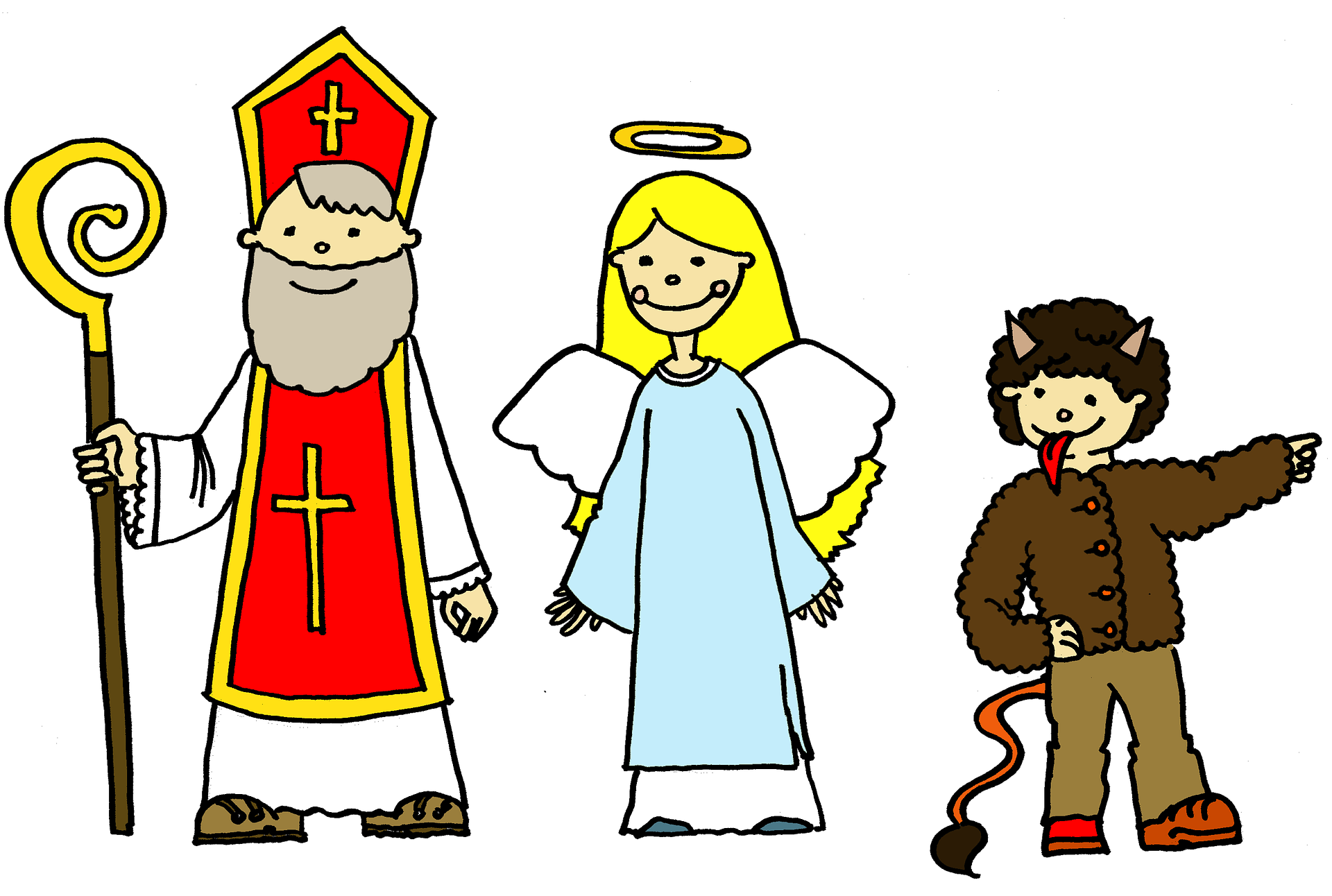
3️⃣ The “Père Fouettard”: The Shadow Companion
Next to Saint Nicholas, a darker character often appears:
Le Père Fouettard (the “Whipping Father”).
He represents:
- discipline
- consequences
- moral lessons for children
Saint Nicholas gives gifts,
Père Fouettard gives… warnings.
This duality (reward + discipline) is typical of medieval folklore.
4️⃣ Gifts and Traditions on December 6
In Eastern France (Alsace, Lorraine, Franche-Comté), families prepare:
✔️ shoes left on the doorstep or near the fireplace
✔️ mannele (little brioche figures)
✔️ chocolates and candies
✔️ oranges or mandarins
✔️ songs welcoming Saint Nicholas
Cities often host:
🎉 parades
🎭 shows
🎠 markets
🎆 public celebrations
Nancy (Lorraine) hosts one of the largest Saint Nicholas festivals in Europe.
5️⃣ Where Is Saint Nicholas Celebrated Today?
🇫🇷 France
Mainly in:
- Alsace
- Lorraine
- The North
- Franche-Comté
🇧🇪 Belgium
A major celebration — children often receive all their gifts from Saint Nicholas, not Santa Claus.
🇱🇺 Luxembourg
Saint Nicholas is called Kleeschen.
🇩🇪 Germany
Known as Nikolaus.
🇳🇱 Netherlands
Here he becomes Sinterklaas, the direct ancestor of Santa Claus.
🇨🇭 Switzerland
Very lively local celebrations.
🌍 Central & Eastern Europe
Various traditions exist under related names.
6️⃣ Saint Nicholas: The Direct Ancestor of Santa Claus
When Dutch immigrants brought Sinterklaas to the United States, his image slowly transformed into:
🎅 Santa Claus
Changes over time:
- white horse → flying reindeer
- bishop’s robe → red winter coat
- mitre → hat
- staff (crosse) → sack of gifts
In France, he becomes Le Père Noël.
But the origin remains the same:
👉 Saint Nicholas is the root of today’s Santa Claus.
7️⃣ Why This Tradition Matters Culturally
The Saint Nicholas tradition reveals:
✔️ deep European heritage
✔️ pre-Christmas folklore
✔️ the evolution of winter celebrations
✔️ how regional French culture differs from globalized “Santa Claus” imagery
For French learners, understanding Saint Nicholas opens a window into the real French winter culture, beyond movies and commercial visuals.
🎁 Mini-Quiz
- On which date is Saint Nicholas celebrated?
- Who traditionally accompanies Saint Nicholas in French folklore?
- What is Saint Nicholas called in the Netherlands?
- What typical treat is eaten in Eastern France?
- What is the link between Saint Nicholas and Santa Claus?
💎 Conclusion
Saint Nicholas is more than a children’s holiday — it’s a 1,700-year-old tradition combining generosity, morality, folklore and regional history.
It is the cultural ancestor of the modern Christmas figure and remains a living tradition in many parts of Europe.
Understanding it gives you an authentic insight into French culture, far beyond grammar and vocabulary.
🎯 Want to explore more French traditions and improve your cultural vocabulary?
👉 Book your discovery class here
And dive deeper into the most authentic side of the French language.
🎯 Want to explore more French traditions and improve your cultural vocabulary?
👉 Book your discovery class here
And dive deeper into the most authentic side of the French language.